A specific moment in wrestling television
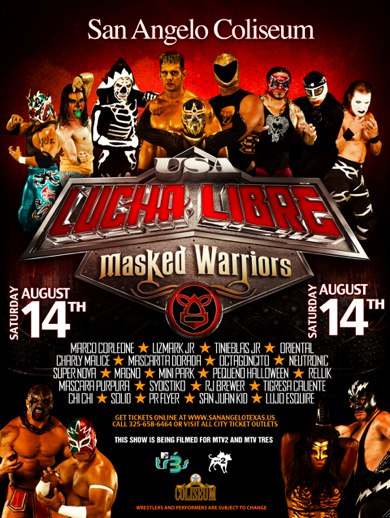
Lucha Libre USA: Masked Warriors belongs to a specific era when television networks, streaming platforms, live events, and online video were all changing at the same time. The series launched on MTV2, connected with Tr3s, built a live-event presence, and later became part of conversations about on-demand viewing.
That makes the show more than a collection of matches. It is a case study in how lucha libre was packaged for English-language and Latino-market audiences in the United States.
A roster that rewards deeper viewing
The roster combined established names, rising performers, minis, personalities, and crossover wrestling figures. Some viewers arrive because they recognize a name. Others arrive because a mask, rivalry, or faction catches their attention in a thumbnail.
A useful fan site should help both groups. That is why the current Lucha Libre USA website pairs official video embeds with roster profiles, episode context, terminology, press coverage, and sponsor information.
A public record worth organizing
The press trail around LLUSA includes mainstream newspapers, business coverage, wrestling reports, local-market announcements, broadcast segments, and official releases. Those sources document the show's business ambition, live-event strategy, sponsor positioning, and sometimes controversial storylines.
Organizing that public record helps fans, researchers, sponsors, and media partners understand what the property was, what it released, and why it still has discovery value.
A better home for new fans
The YouTube channel is where viewing happens. This website is where orientation happens. A fan should be able to start watching quickly, then answer the obvious follow-up questions: who is that luchador, how many episodes exist, what does rudo mean, and where did the series air?
That combination is what makes the site useful beyond the embedded player. It turns the video library into a guided entry point for the larger Masked Warriors story.