Featured video
Watch with the story.
Play the official Masked Warriors video, then continue through the Lucha Libre USA YouTube channel.
The MTV2 launch
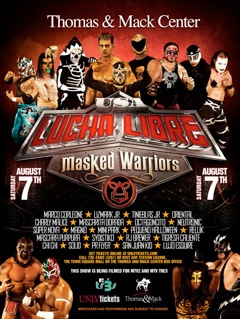
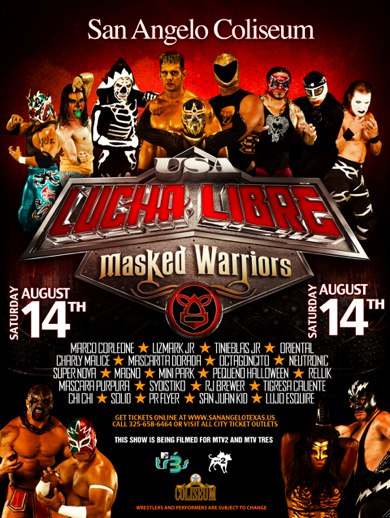
Masked Warriors launched on MTV2 as an American television presentation of lucha libre. The series used a fast, visual style that could introduce masks, factions, minis, tecnicos, rudos, and championship rivalries to viewers who may not have followed Mexican wrestling before.
MTV2 gave the property a youth-oriented cable platform, while Tr3s connected the series to Latino-market distribution and Spanish-language audience context. That combination was a central part of the show's positioning.
Tr3s and Latino-market reach
Tr3s mattered because Lucha Libre USA was trying to sit between cultures: rooted in Mexican lucha libre, presented for U.S. television, and able to speak to both English-language and Latino audiences. The brand's name, masks, roster, and live-event promotion all reflected that crossover ambition.
The series did not hide the lucha libre vocabulary. Instead, it made that vocabulary part of the appeal while giving new viewers enough character-driven storytelling to follow along.
Hulu plans and on-demand viewing
Later coverage announced plans for Hulu Latino and Hulu Plus distribution, extending the Masked Warriors story beyond its original television run. That was an important signal because wrestling discovery was shifting from scheduled television to on-demand video and searchable online libraries.
The current YouTube-first relaunch fits that same long-term direction. Fans increasingly discover matches through clips, playlists, recommendations, and search, then use supporting pages to understand the context.
A documented media trail
Coverage from business, entertainment, Latino media, local markets, and professional-wrestling outlets documented the league's television ambitions, touring activity, roster, and crossover positioning. Those sources are collected on the Press page with links to original publishers when available.
Today, the official YouTube channel reconnects that television, press, and touring history with viewers who discover wrestling through online video. The website organizes the history so the channel does not have to carry the whole story by itself.